
Fishing Tips with Daytona Beach Fishing Charter
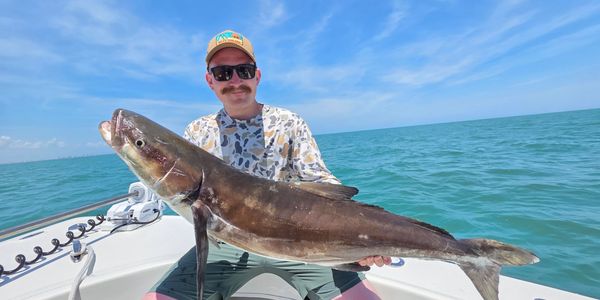
Spring Fishing Tips
Fishing along our coast offers anglers the opportunity to experience a variety of saltwater fishing techniques while targeting many types of saltwater fish. Our waters host species that are constantly moving or migrating along the coast and far offshore from Daytona Beach.
The pelagic species, including Cobia, Amberjack, king mackerel, and Mahi Mahi, are our primary targets, especially from April through October. These impressive fish can weigh anywhere from a few pounds to over 100 pounds, providing a strong fight that anglers will remember. Additionally, our coast is rich in bottom fish, with numerous examples such as grouper and various types of snapper, including mango snapper, red snapper, vermillion snapper, lane snapper, and mutton snapper, along with triggerfish and seabass.
A bit of history on deep sea fishing trips in Daytona Beach: during the 1970s, most natural reefs were decimated or overfished. To combat this, a strategic plan was implemented to create more habitats for fish to repopulate. Thousands of artificial reefs have been introduced along our coast by the Florida Fish and Wildlife Commission and the Army Corps of Engineers. After over 35 years and the establishment of thousands of artificial reefs, our offshore fisheries have thrived, making Daytona Beach fishing charter one of the best locations for deep sea fishing trips in the world. These ongoing reef projects continue to provide new habitats, allowing crustaceans and other marine life to flourish within a year of a new reef site, thereby creating a food source and cover for smaller fish. Large bait pods and many species have made these artificial reefs their home. There are still some natural reefs that have improved significantly due to the presence of new fishing spots, as they are no longer overfished. Deep sea fishing in Daytona Beach is truly a fisherman's paradise, offering countless opportunities to catch the biggest fish of your life. Just a word of warning: it can be quite addictive, with signs like loss of sleep, talking in your sleep, and phrases such as 'get the rod' or 'fish on!' During the day, you might notice coon eyes, excessive amounts of fishing gear, and missing work.
When you're in Daytona Beach, it's essential to have the most knowledgeable captain who understands what's working best and where to go on any given day, and that's where I come in. I have dedicated my life to fishing and running Daytona Beach fishing charters since the 1990s. My experience includes commercial fishing off the Bahamas 20 years ago, running a Miss Cape Canaveral head boat for a year, and having my own boat for over 15 years full time. It takes skill, knowledge, and techniques to catch the diverse species found in these waters. Let my experience as a fishing guide ensure you a trip of a lifetime! Book your next deep sea fishing charter now! Remember, it's customary to tip the mate 20% of any charter.
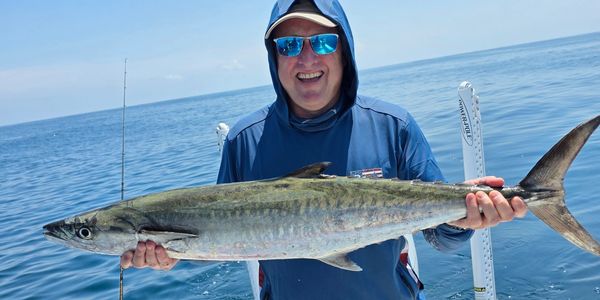
Summer Fishing Tips
Fishing success in Daytona Beach varies depending on whether you are casting from the shore, staying inshore, or heading offshore. Nearshore and surf fishing during summer brings some impressive catches closer to shore, with the nearshore artificial reefs coming alive with warm-water species.
Target Species: Look for Tarpon off the beaches, while species like Mangrove Snapper, Cobia, Jack Crevalle, and sharks move into nearshore coastal waters. Surf anglers can catch Whiting, Pompano, and Bluefish.
Key spots: Artificial reefs are a popular and productive nearshore option, some as close as one mile offshore. The Ponce Inlet jetties are also a hotspot for Tarpon, making it an ideal location for those interested in Daytona Beach fishing charters.
Tips: Fish early in the morning to avoid the afternoon heat and potential thunderstorms. During periods of calm, clear "glass-like" water, Tarpon will be migrating along the beaches.
Inshore fishing in Daytona offers the protected waters of the Halifax River and the nearby Mosquito Lagoon, providing consistent action throughout the summer.
Target species: Snook are particularly active and spawning in the inlets and backwaters during summer months, especially around mangroves, bridges, and docks. Adult Tarpon can be found in deeper channels of the Halifax River and around Ponce Inlet. Redfish and Spotted Seatrout can be found in the brackish water flats and creeks of the Halifax River and Mosquito Lagoon, along with other species like Jack Crevalle, Black Drum, Mangrove Snapper, and Flounder.
Key spots: Target the mangrove shorelines and docks in the Halifax River and Mosquito Lagoon. The jetties and bridges at Ponce Inlet are also excellent for catching Snook and Tarpon.
Offshore fishing provides an opportunity for those willing to venture further out during summer to chase a variety of big game fish.
Target species: Grouper season is open, with Gag, Black, and Red Grouper being common catches around the reefs. Snapper species, including Mangrove and Lane Snapper, also school around the reefs. Trolling can land you Pelagics like Amberjacks, Cobia, Dolphinfish (Mahi-mahi), King Mackerel, Spanish Mackerel, and Barracuda. Longer deep-sea trips can target Sailfish, Tuna, and Wahoo. For great saltwater fishing tips, consider joining a Daytona Beach fishing charter to enhance your experience.
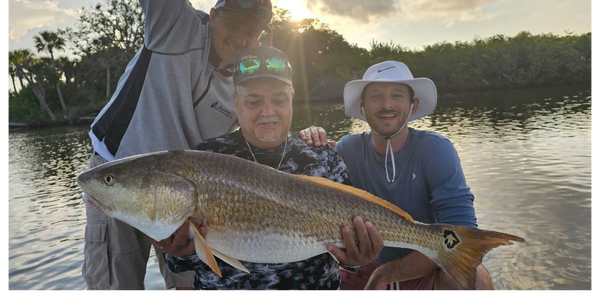
Fall Fishing Tips
Saltwater fishing off Daytona Beach during the fall is excellent, as the seasonal migrations bring a wide variety of species to the area. Multiple species are on the move, following baitfish like mullet southward as water temperatures begin to cool. The inshore and nearshore waters, including the Halifax River, Mosquito Lagoon, and Ponce Inlet, are teeming with migrating fish, making it an ideal time for inshore fishing in Daytona.
Redfish: Large schools of redfish can be found in the shallows of New Smyrna Beach, the oyster bars of Ponce Inlet, and the flats of Daytona Beach.
Speckled Sea Trout: These are plentiful in the inshore areas, especially around grass flats and drop-offs.
Flounder: A favorite for inshore anglers, flounder are best targeted from October to December. Look for them on sandy bottoms in the Halifax River and Ponce Inlet.
Snook: Snook fishing can be "on fire" as the fish move south through the Intracoastal Waterway (Halifax River).
Tarpon: The fall season is one of the best times for tarpon fishing in the area, as these large fish migrate down the coast.
Mackerel: Spanish and King Mackerel can be found nearshore, following baitfish close to shore.
Offshore, beyond the jetties and into the deeper Atlantic waters, offshore fishing is at its autumn peak, with many large gamefish migrating through.
Mahi-Mahi: The offshore waters cool in the fall, bringing in more baitfish and, in turn, large numbers of mahi-mahi.
Sailfish: Beginning in mid-October, sailfish show up in good numbers as they follow the migration south.
Wahoo and Marlin: Anglers can also hook into other big gamefish like Wahoo and even the occasional Blue Marlin.
King Mackerel: Some of the season's largest king mackerel are caught in the fall as they fatten up for their migration.
Blackfin Tuna: The fall season is the peak time to find blackfin tuna in the Gulfstream waters. For those looking for a great experience, consider booking a Daytona Beach fishing charter to maximize your saltwater fishing experience with expert guidance and tips.
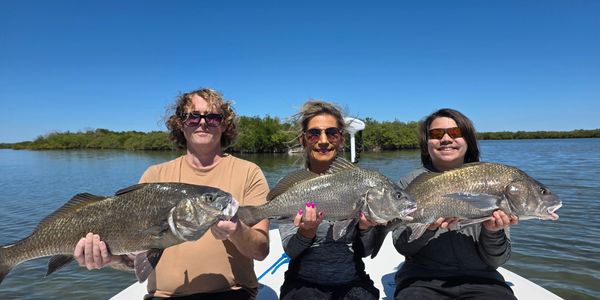
Winter Fishing Tips
Saltwater fishing in the Daytona Beach area is particularly productive during the winter months, especially in the calmer inshore waters. As temperatures drop, fish become more lethargic and tend to move to deeper, warmer pockets of water, prompting anglers to adjust their techniques. For those interested in inshore fishing in Daytona, here are some target fish species to consider:
Inshore fishing (Halifax River/Intracoastal Waterway)
- Redfish: These are a year-round target and a winter favorite in the Mosquito Lagoon and backcountry areas.
- Spotted seatrout: Abundant all winter, they are often found around seagrass, oyster bars, and deeper channels.
- Black drum: This is a prime season for black drum, which can be found in deeper channels and around structures.
- Sheepshead: Look for sheepshead near docks, bridges, and other structures along the Intracoastal Waterway from December through March.
- Flounder: Southern flounder are a common catch on inshore trips, especially during the winter.
- Mangrove snapper: While some move offshore as they mature, you can catch juvenile mangrove snapper in the brackish inshore waters.
Surf fishing (Daytona Beach)
- Pompano: This is a popular and productive catch for surf fishers during the winter.
Offshore fishing (Atlantic Ocean)
- Cobia: The bite for cobia will start to pick up when the water temperature reaches around 68-70 degrees.
- Wahoo: The bite for wahoo increases offshore during the winter.
- Bottom species: Offshore bottom dwellers like snapper and grouper are available, although winter winds can complicate offshore trips.
Winter fishing strategy
- Fish deeper water: As the water cools, fish will migrate from summer spots to deeper areas like channels, inlets, and pockets with structure.
- Go slow: Use a slow, deliberate lure retrieve. Since fish are more lethargic, they are less likely to chase fast-moving bait.
- Fish sunny days: On sunny winter days, fish will move into shallow flats and mud bottoms to warm up, making sight-fishing for redfish a great option.
- Use the right bait: Live bait — Small live finger mullet, shrimp, and Gulf shrimp are effective for redfish and trout. Artificials — Soft plastics and jigs work well for slowly working the bottom.
Where to go
- Halifax River and Intracoastal Waterway: This brackish system is an ideal habitat for many winter species and provides shelter from offshore winds. Look for docks, bridges, and oyster bars.
- Ponce Inlet: This inlet is a hotspot, offering access to both the inshore river system and the Atlantic, attracting species like pompano, sheepshead, and black drum.
- Mosquito Lagoon and backcountry: This area south of Daytona is famous for its winter redfish sight-fishing in the shallows.
- Tomoka Inlet: The mix of fresh and saltwater creates a perfect habitat for flounder and sheepshead during the cooler months.
For those seeking the ultimate experience, consider booking a Daytona Beach fishing charter to optimize your saltwater fishing adventure with expert guidance and local knowledge.